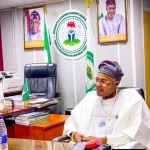


A prominent rights group, Socio-Economic Rights and Accountability Project, SERAP has called on President Bola Tinubu to direct the Minister of Information and National Orientation, Mohammed Idris Malagi, and the National Broadcasting Commission (NBC) to withdraw a “formal notice” issued last week immediately.
The group describes the notice as an unlawful attempt to muzzle the press through vague and unjustified threats of sanctions against broadcast stations and presenters.
The controversy stems from a directive issued by the NBC on April 17, 2026, which alleged a surge in breaches of the Nigeria Broadcasting Code during news and political programming. The commission warned that it would begin enforcing strict compliance and imposing penalties for “Class B breaches,” citing concerns over the expression of personal opinions and a perceived lack of neutrality by broadcasters.
In a strongly worded statement, the group urged the presidency to ensure that the NBC abstains from imposing “prior censorship” on the media. They argued that journalists and presenters must be allowed to carry out their constitutional responsibilities without fear of retribution, emphasizing that the commission’s current stance undermines fundamental human rights.
The advocates highlighted that the NBC’s notice specifically targets the expression of “personal opinions” and alleged “bullying” of guests—terms the group maintains are too broad and serve as a pretext for suppression. They characterized the move as a dangerous escalation intended to stifle legitimate journalistic inquiry and public debate across the federation.
Underpinning their demand is the assertion that both the Nigerian Constitution and international human rights laws protect the absolute right to hold opinions. The group reminded the government that journalistic opinion is a protected form of expression and that the media’s role as a watchdog is essential to a functioning democracy.
The group maintains that unless the notice is withdrawn, the independence of the Nigerian broadcast industry remains under significant threat, potentially silencing critical voices at a time when transparent communication is vital.