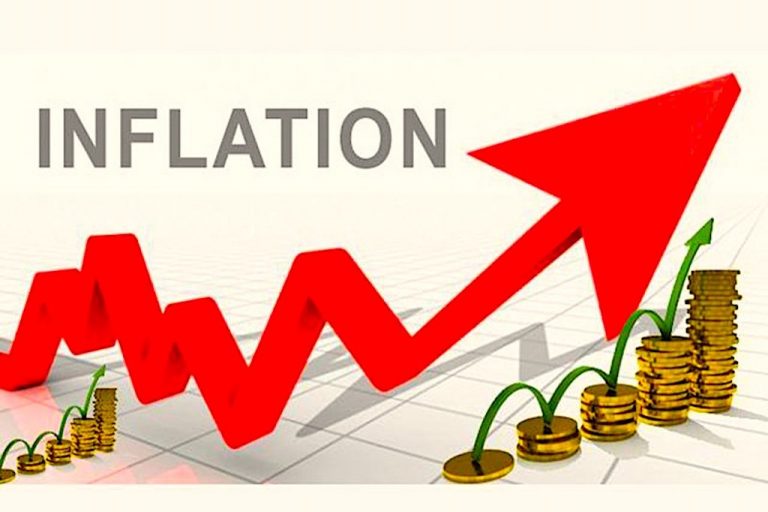
Nigeria’s headline inflation rate rose to 15.69% in April 2026, up from the 15.38% recorded in March 2026. This was officially disclosed by the National Bureau of Statistics (NBS) in its latest Consumer Price Index (CPI) report.
The April 2026 headline inflation rate represents a 0.31% increase compared to the previous month. However, this figure is significantly lower than the 26.82% inflation rate recorded in April 2025.
On a month-on-month basis, April’s headline inflation rate stood at 2.13%. This represents a 2.05% drop from the 4.18% recorded in March 2026, meaning that while prices still rose in April, they did so at a slower pace.
Year-on-year food inflation for April 2026 was pegged at 16.06%. This marks a substantial decrease from the 24.68% food inflation rate recorded in the corresponding month of April 2025.
Month-on-month food inflation also slowed down, dropping to 3.63% in April 2026. This is a 0.54% point reduction from the 4.17% growth rate observed in March 2026.
The NBS attributed the month-on-month deceleration in food prices to a slower rate of change in the costs of essential items. These included tubers, staples like garri and beans, beef, and various fresh vegetables.
The average annual food inflation rate for the twelve months ending in April 2026 was 17.55%. This represents a sharp drop of 17.05% points compared to the 34.60% average recorded in April 2025.
In terms of overall year-on-year inflation by state, Sokoto, Bauchi, and Zamfara recorded the highest price surges. Conversely, Edo, Borno, and Jigawa states experienced the lowest increases.
For monthly changes, Niger, Kano, and Plateau saw the highest overall inflation increases in April 2026. Meanwhile, Bayelsa, Enugu, and Rivers states recorded the sharpest declines in monthly inflation rates.
Under the newly introduced sub-indices, year-on-year inflation was driven highest by Farm Produce at 19.8% and Services at 16.7%. On a monthly basis, Energy and Farm Produce saw the highest spikes at 8.0% and 6.0% respectively.