

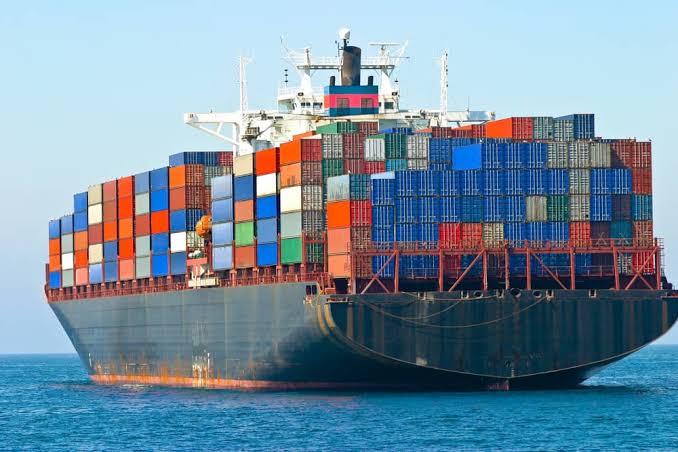
The Nigerian shipping sector is facing a deepening crisis as several shipping firms threaten to shut down operations. This follows a directive from the Nigerian Shippers’ Council to suspend a recently approved tariff increase, a move the companies claim makes their business model unsustainable in the current economic climate.
The suspension came after fierce opposition from customs brokers and freight forwarders, which escalated into the picketing of major offices like the Mediterranean Shipping Company (MSC). While the Shippers’ Council initially authorized the hike after a rigorous two-year review process, they quickly halted implementation to appease the protesting industry stakeholders.
Boma Alabi, Chairman of the Shipping Association of Nigeria (SAN), expressed shock at the Council’s reversal. She argued that the approved increase was actually quite modest—remaining below the current rate of inflation—and was necessary to offset the rising costs of doing business within the country.
A primary concern for the SAN is the welfare of local employees. Alabi highlighted that shipping companies currently pay a minimum wage of ₦200,000, the highest in any Nigerian sector. Because these local offices rely entirely on locally generated income rather than international freight fees to pay staff, the frozen tariffs put these high-paying jobs at immediate risk.
Ultimately, the association warned that if local margins continue to be squeezed, international carriers may shutter their Nigerian offices and revert to using third-party agents. This shift would allow global operations to continue but would result in massive job losses for the Nigerian workforce and a decline in direct local investment.